Do not quarrel in front of your children
By: Shireen Zaqout
It is self-evident that the ideal environment for raising a child happily is a home in which harmony prevails, in the care of an understanding mother and father who love their child. Unfortunately, there are some families who pay no attention to this environment, overlooking the fundamental effect this calm environment has on children's state of mind.
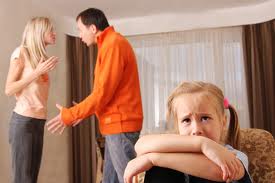
When problems begin between a man and his wife, each of them begins with blame, insults, abuse and shouting, so that quarrels flare up between them and they lose the ability to control themselves in front of their children. All of this is reflected negatively in them
Some mothers and fathers who do not resort to divorce believe they are struggling with great difficulty to preserve the marriage, however wretched, for the sake of the children, and this is a mistaken belief on their part, because the emotional harm done to children by the continuation of their parents' quarrelling may not appear until many years later.
Studies have shown that children suffer psychological pain because of the quarrels and disputes that precede divorce more than from the divorce itself, and that emotional divorce in the home is wretched and more dangerous to a child than an actual divorce.
Perhaps the hardest stages a child goes through are when they develop an emotional disturbance, so that they often try to disguise, deny and conceal their broken home. They speak a great deal about the happiness they live in within their family, while others we see mixing with children who suffer the same problem. Since a child is part of the family unit, they are affected negatively by the problems it faces, which reflects back on the child, the family and society in general.
Among the signs of this effect on a child's state of mind in particular:
1. Internal conflicts arise in the child as a result of the family problems that take place before them every day, so that the child carries aggressive impulses towards their parents
2. The child sometimes feels a stranger within the family and that they do not belong to it
3. The child makes comparisons between their broken family and the life other children live, which produces in them a sense of frustration and despair
4. It greatly affects the child's personality, creating an unsteady and unstable character
5. The child bears, exactly like the parents, the burden of constant thinking and the fear of separation
6. The child is exposed to disturbance and anxiety because they do not grasp the aims behind the problems between their parents, and because their parents try to use them to attack one another and as a tool to gain victory over the other party
7. This disturbance in childhood leads to disorder in emotional and mental development
8. Signs of disturbance, pain and despair appear and settle over children, and then physical symptoms appear such as loss of appetite, vomiting and disturbing dreams, while in older children the reaction takes the form of fear of school, anxiety, stubbornness, shyness, withdrawal and many other problems
Fathers and mothers should therefore be keen to protect their children's interests, to develop love and affection within the family, and to preserve mutual respect in front of their children in order to avoid the many problems they can do without