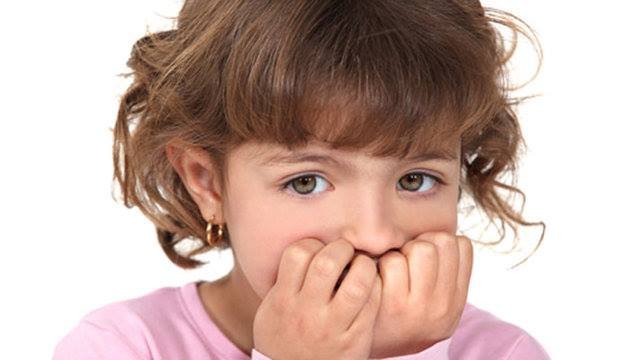
Help your child overcome their fears
Every child has different fears to differing degrees. Some of these fears are natural in childhood and others are exaggerated, and it is always the parents' part to reassure the child. Fear is certainly an important and healthy phenomenon for a child, since it protects them from exposure to danger and keeps them alert. For example, a child learns to be careful crossing the road and to be wary and refuse to take anything from a stranger, and in this way learns to be cautious. Sometimes a child's fears are unreal and imagined, which may turn them into a phobia.
A child is of course not isolated from the world around them: they watch the news and hear their family talking about different matters, and so they always need their family's reassurance and their help in dealing with their various fears.
A child is seized by a fear of the dark when the mother insists that they stay in a completely dark room at bedtime or if they wake in the middle of the night, to the point that this fear may make the child's heartbeat race. If the child is afraid of the dark, the mother should be careful to reassure them even if she considers their fears unjustified. You can leave a small light in your child's room, taking care that it does not cast frightening shadows on the wall. A child may sometimes have a fear or phobia of going to school, which may be caused by a fear of leaving home, of taking the school bus or of being mocked by classmates, and of course the mother and the teachers at school should try to deal with all these fears. If the child is afraid of leaving home, you should reassure them that you will be there when they return. Sometimes a child between the ages of two and three is afraid of certain things, such as objects that may make a loud noise.
You should understand and respect your child's fears and keep entirely away from belittling them or laughing at the child. Although some of a child's fears will fade, you should teach them how to deal with their fears, since this will help them when they are older. Spend plenty of time with your child; some children need attention in bad weather, particularly in storms.
A child should be able to talk about everything they feel, and if, for example, you sense that your child looks afraid, you should ask them about it so that you can begin to understand their fears. A frightened child sucks their fingers, complains constantly or bites their nails. Be assured that when you talk to your child about their feeling of fear, it teaches them how to express their feelings. Help your child to discover the things that make them feel afraid, since this will gradually dispel their fear, and you can read your child books about the things that may frighten them, such as lightning and thunder, while assuring your child that it is natural to feel afraid of some things.
Tell them that adults too have different feelings and are seized by certain fears, and you can talk to your child about your own fears, taking care not to alarm them with anything that may make them feel afraid. Of course you should not be overprotective of your child, but at the same time do not tell them information that may make them anxious. Make the home a safe environment for the child, so that they feel able to express all their fears and feel secure. If your child is, for example, afraid of going to the dentist, do not cancel the appointment, because that will make the fear grow in them.