Partners in responsibility, partners in decision-making: towards better local councils and authorities
Community Development and Accountability Committees
Partners in responsibility, partners in decision-making: towards better local councils and authorities
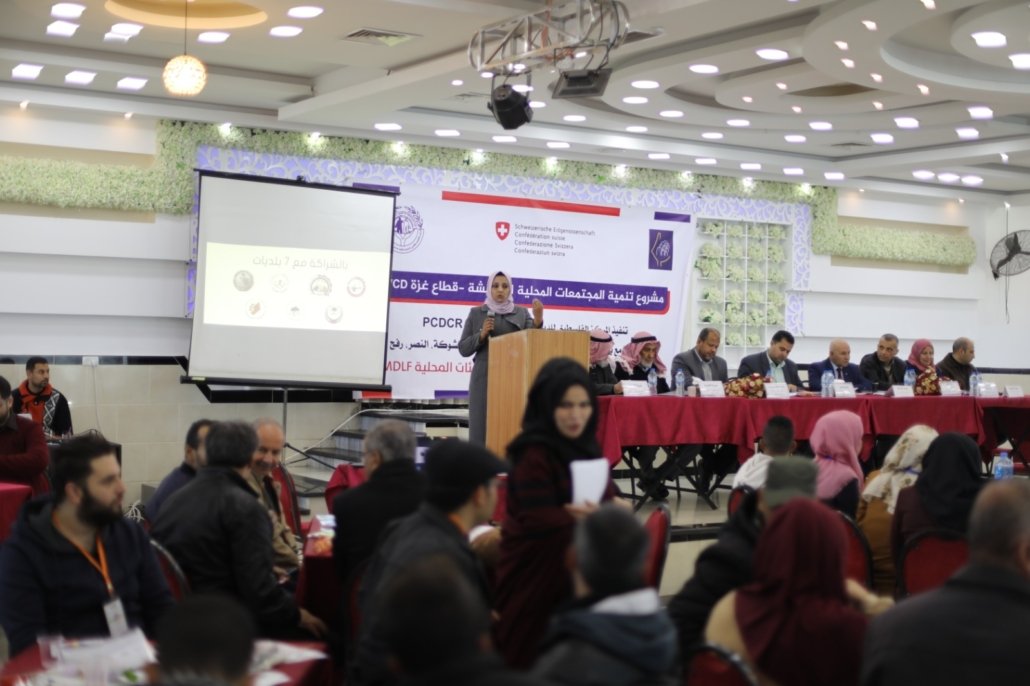
Within the Marginalised Local Communities Development Project In partnership with seven municipalities in the central and southern Gaza Strip (Al-Bureij, Al-Qarara, New Abasan, Khuza'a, Al-Shoka, Al-Nasr and Rafah), implemented through the Municipal Development and Lending Fund (MDLF) with funding from the Swiss Agency for Development and Cooperation (SDC) and the German development agency GIZ.
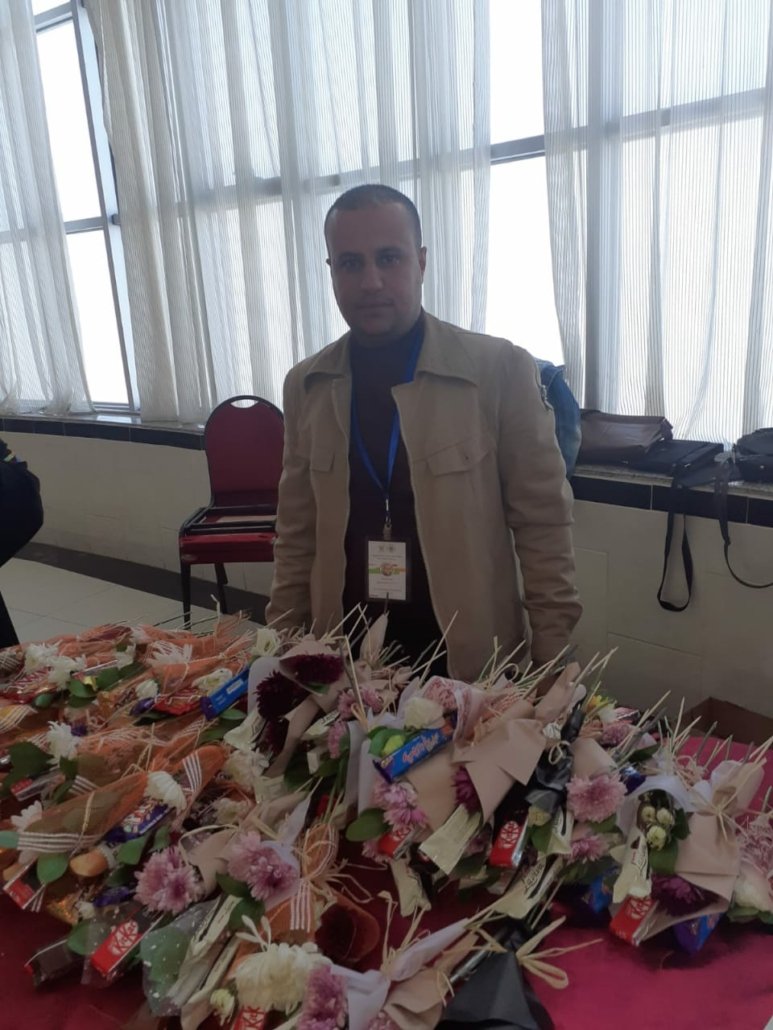
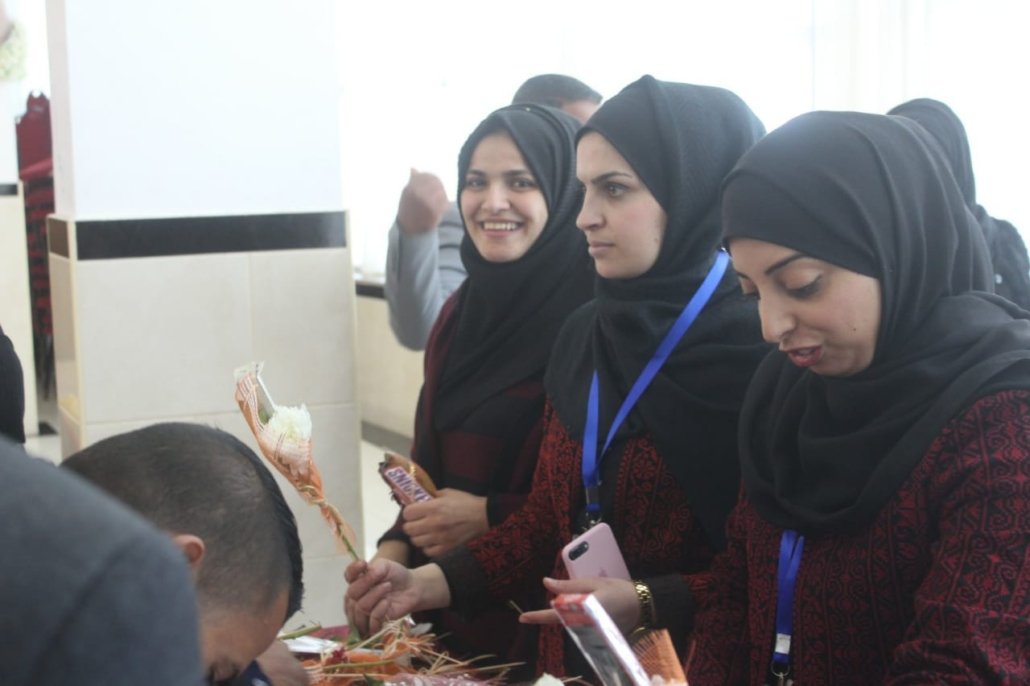
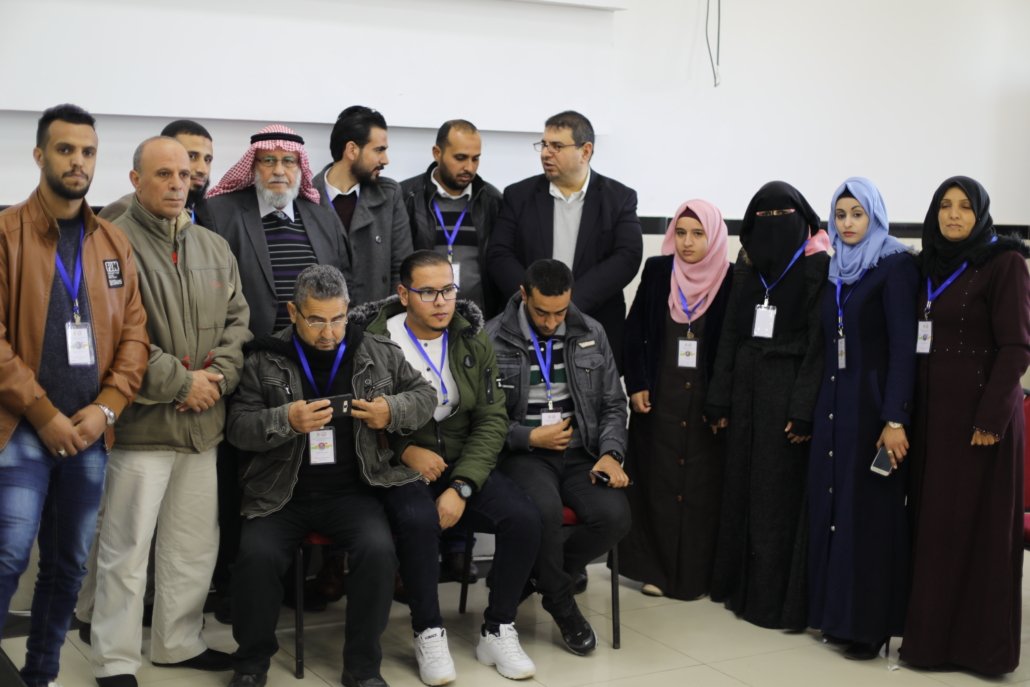
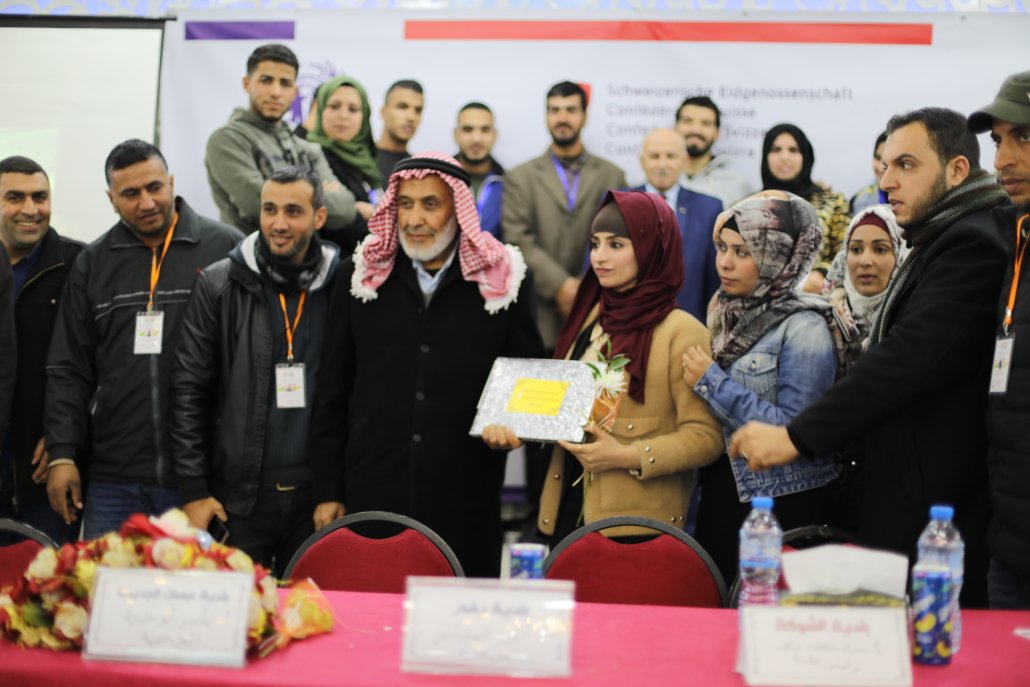
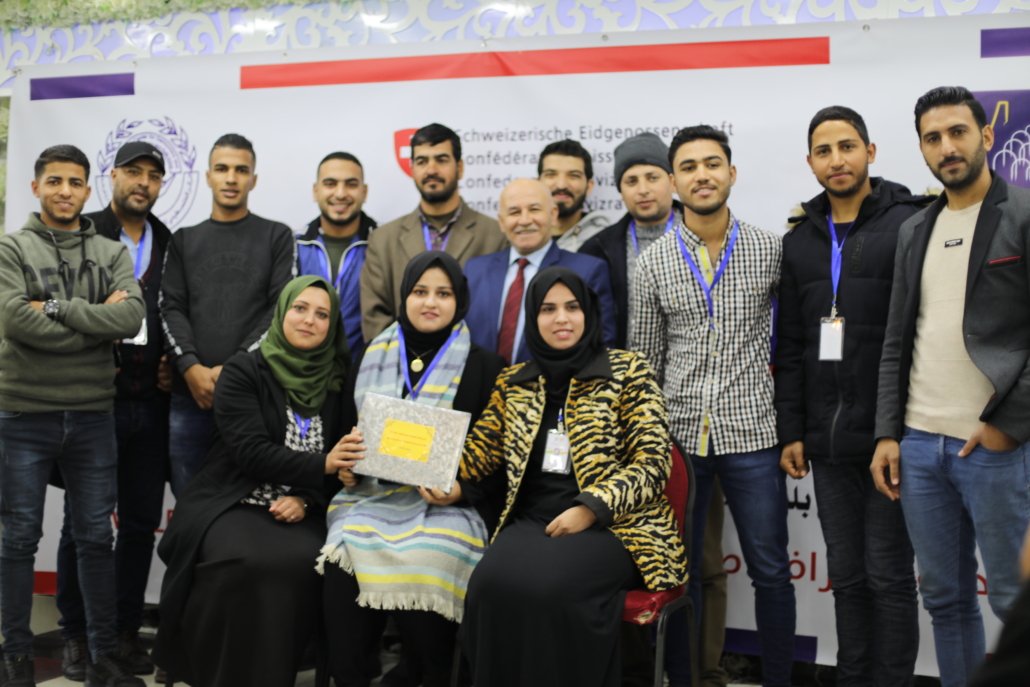
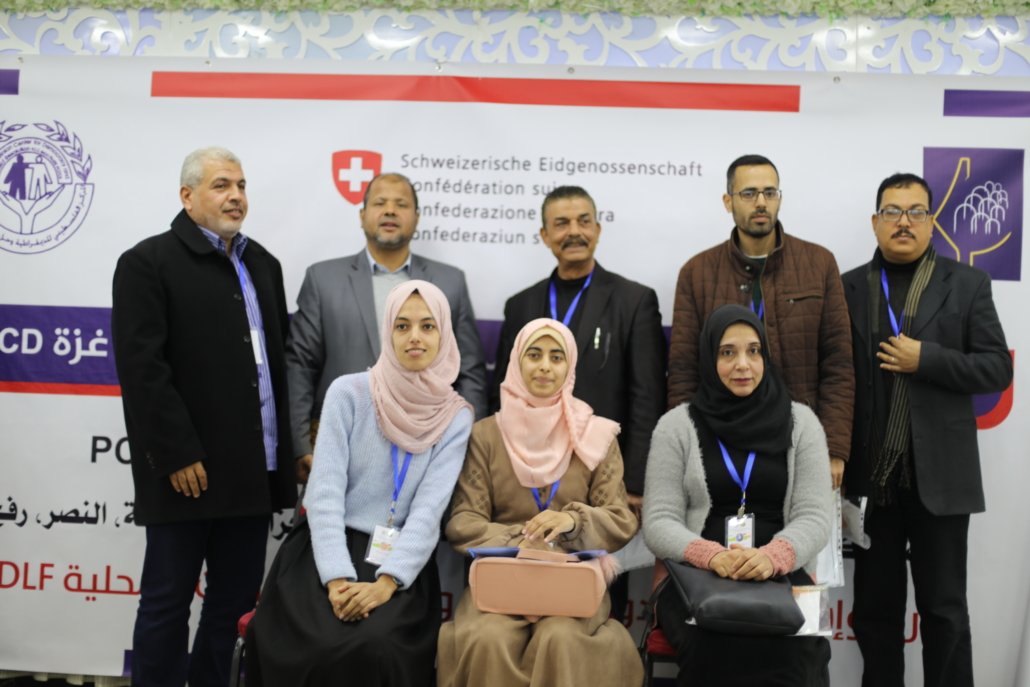
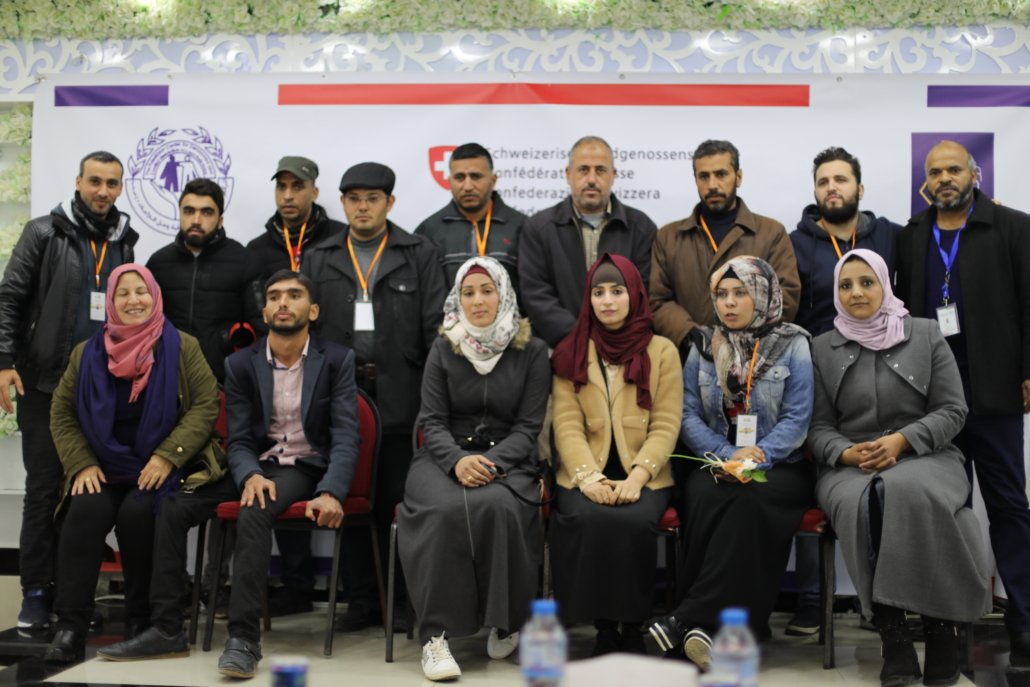
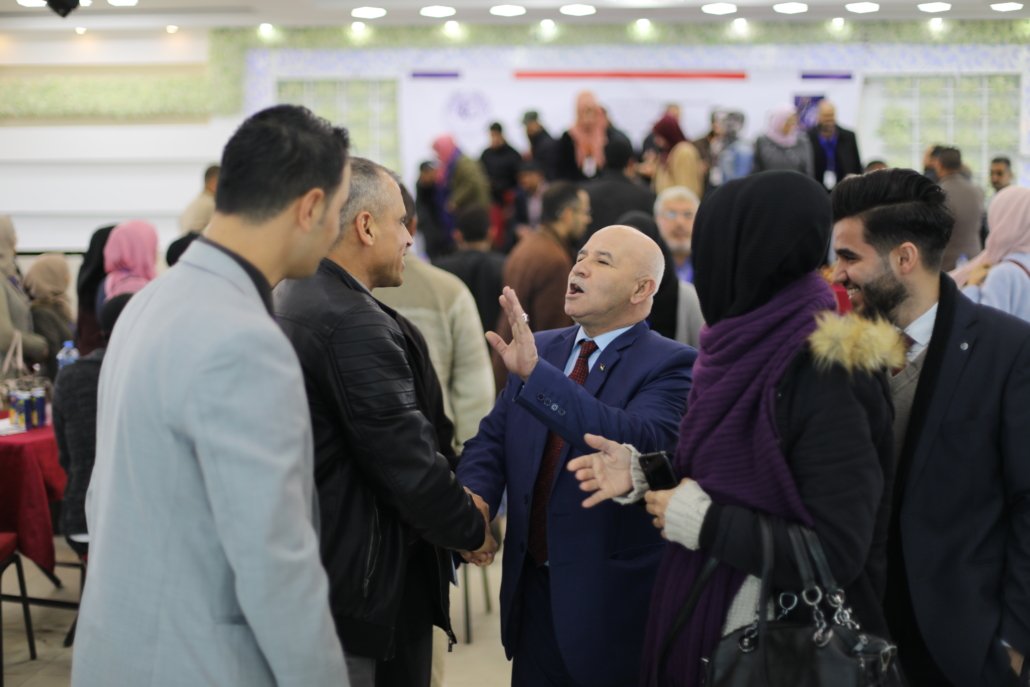
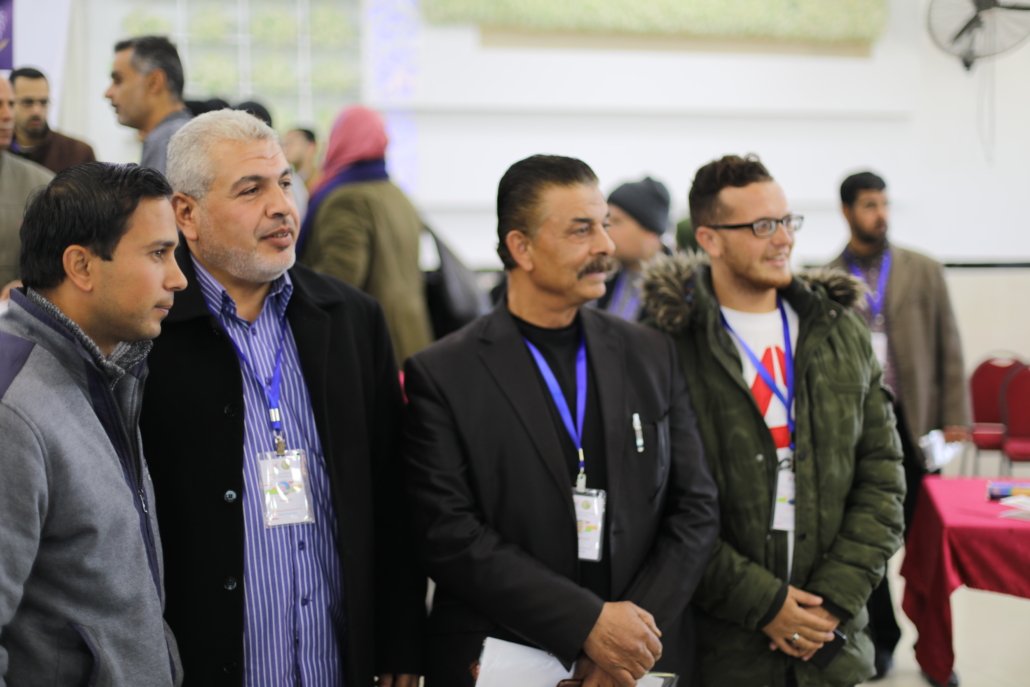
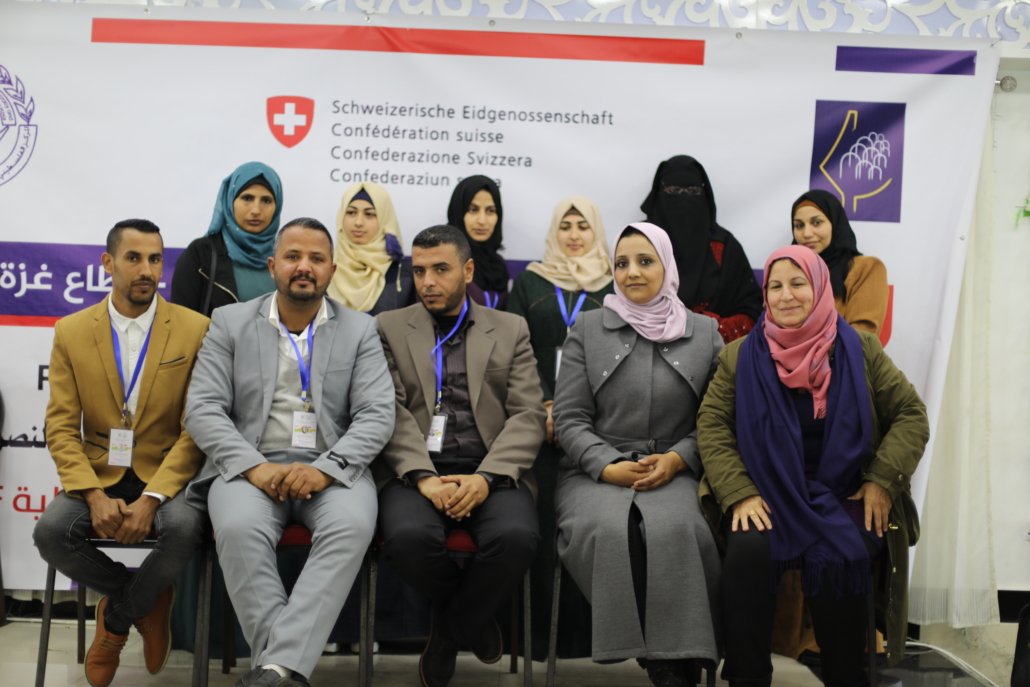
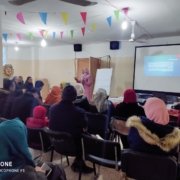
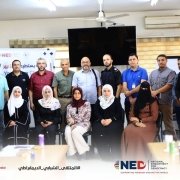
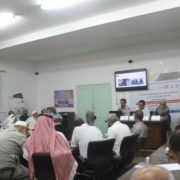
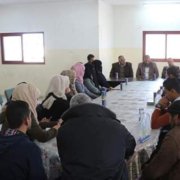
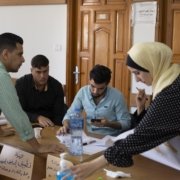
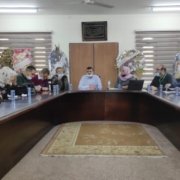
On Thursday 30 January 2020, the Palestinian Center for Democracy and Conflict Resolution organised a landmark meeting bringing together the mayors of the seven municipalities and their community committees, to announce and sign the terms of reference governing the work of the community development and accountability committees, their relationship with the municipality and the local community, and their role in development planning. The meeting was attended by 130 participants from the committees and municipal staff.
Why are these committees exceptional?
Committee members represent all 24 marginalised local communities in the seven municipalities.
Committee members represent all segments and colours of society and work together to improve their communities without party or family considerations.
Committee members are young men and women graduates, engineers, teachers, social workers, persons with disabilities and women, united by love of their country, belonging to their communities and the ambition to change their reality for the better.
Why is this the most important event at the level of the Marginalised Local Communities Development Project?
–A unified terms of reference was agreed between seven municipalities and seven committees with 112 members in total. The terms of reference mark a new start and significant understandings between officials and citizens, leading everyone, local authorities and citizens alike, to take responsibility and work together on the principle of partners in responsibility, partners in decision-making.
The legal term of the Community Development and Accountability Committee, "Partners", is two years, and the committee agrees to open elections after two years, or any other method agreed by its members. Even after the project's expected end in October 2020, the committees will remain active, which guarantees the sustainability of the committees' work with the municipalities for the benefit of their communities.
The terms of reference comprise 12 articles governing the relationship between the community committee and the municipality: Article 1: definitions; Article 2: objectives of the community committee; Article 3: tasks and responsibilities; Article 4: formation of the committee; Article 5: tasks, roles and responsibilities of committee members; Article 6: membership provisions (conditions of membership); Article 7: duties of membership; Article 8: termination of membership; Article 9: the administrative structure of the community committee; Article 10: the relationship between the community committee and the municipality; Article 11: the role of the community committee in the development planning process; Article 12: general provisions.
It is worth noting that the seven Community Development and Accountability Committees, "Partners" (with 112 members in total), began carrying out their tasks after being formed in October 2019 and trained in November 2019. They are the first fruits of the efforts to activate community participation and the link between citizens in marginalised communities and the municipality within the Marginalised Local Communities Development Project. The community committee is not a substitute for the neighbourhood committee but complements the efforts of neighbourhood committees. It is a coordinating body within the project, formed to support the municipality, strengthen its relationship with citizens, convey citizens' voices to the municipality in an organised way, and pass on residents' observations and recommendations during the implementation of infrastructure and service projects, as well as informing residents of progress as reported by the municipality, in addition to resolving any problem that may arise using alternative dispute-resolution mechanisms, in line with the Centre's principles on strengthening the sustainability of projects and community ownership of them.
The committees' main tasks and responsibilities include: bringing the views and opinions of citizens and municipalities closer together; resolving any dispute that may arise at any stage of the project life cycle; developing dispute-resolution mechanisms with the support of PCDCR; and assessing small grant projects through their design, planning, implementation and follow-up.