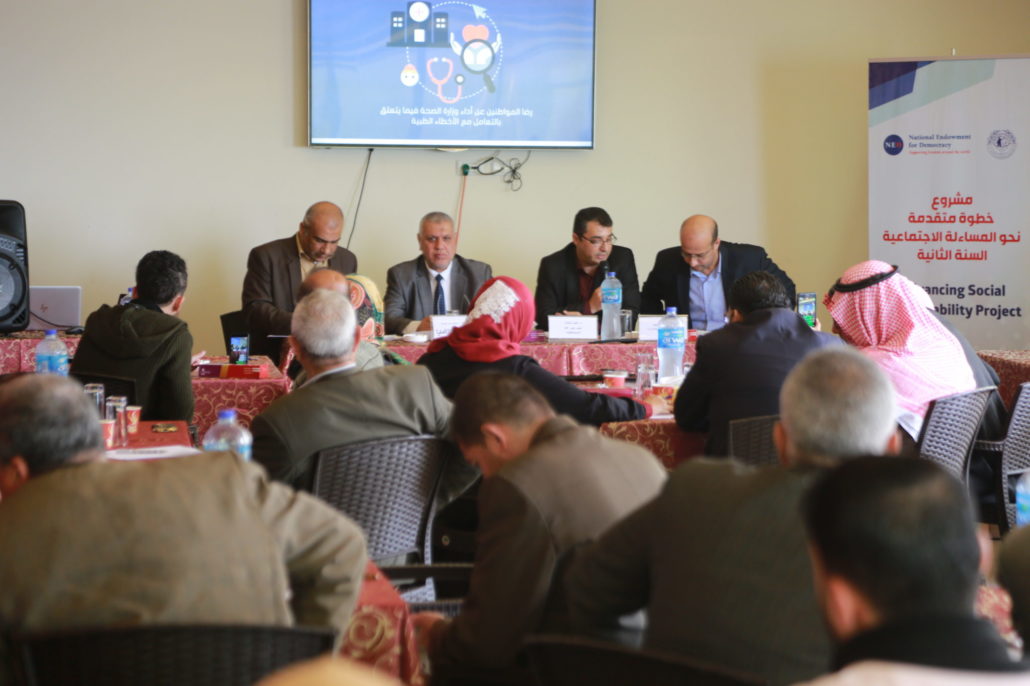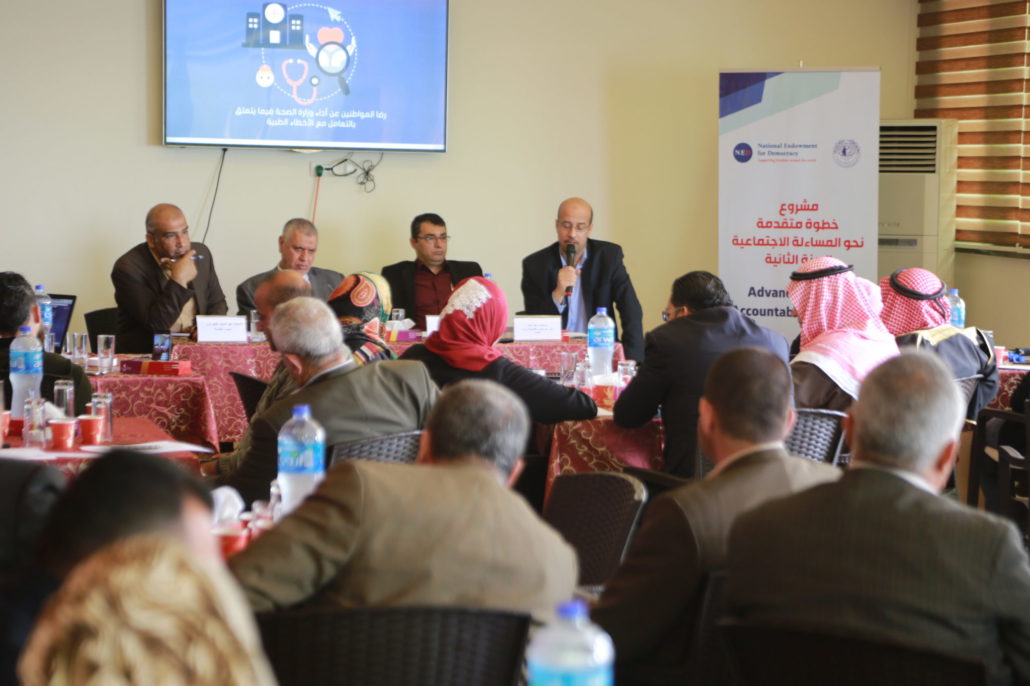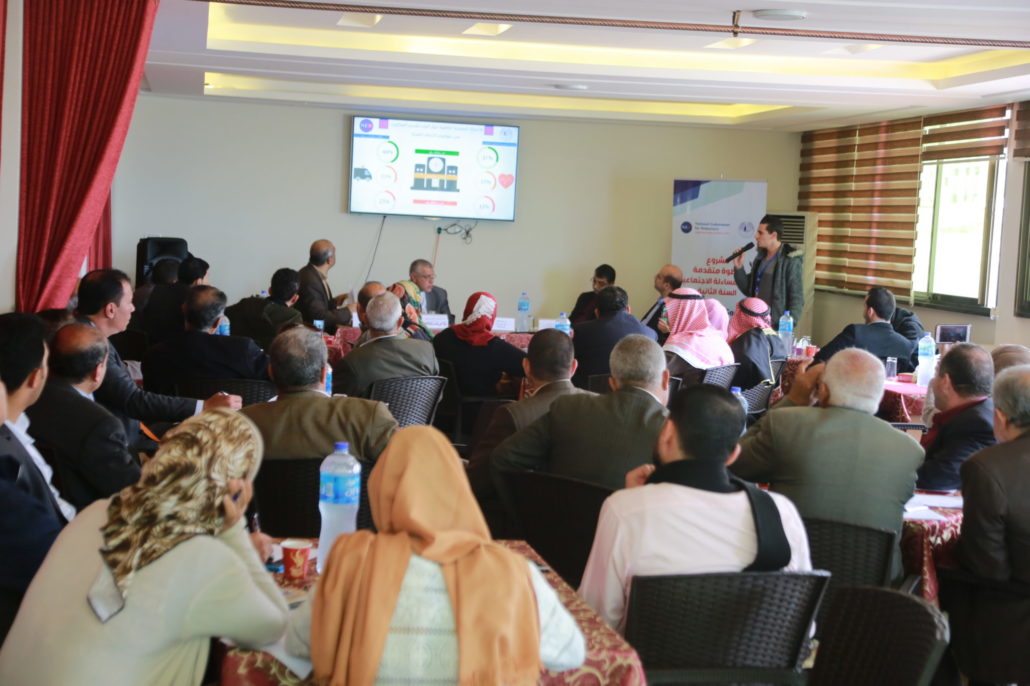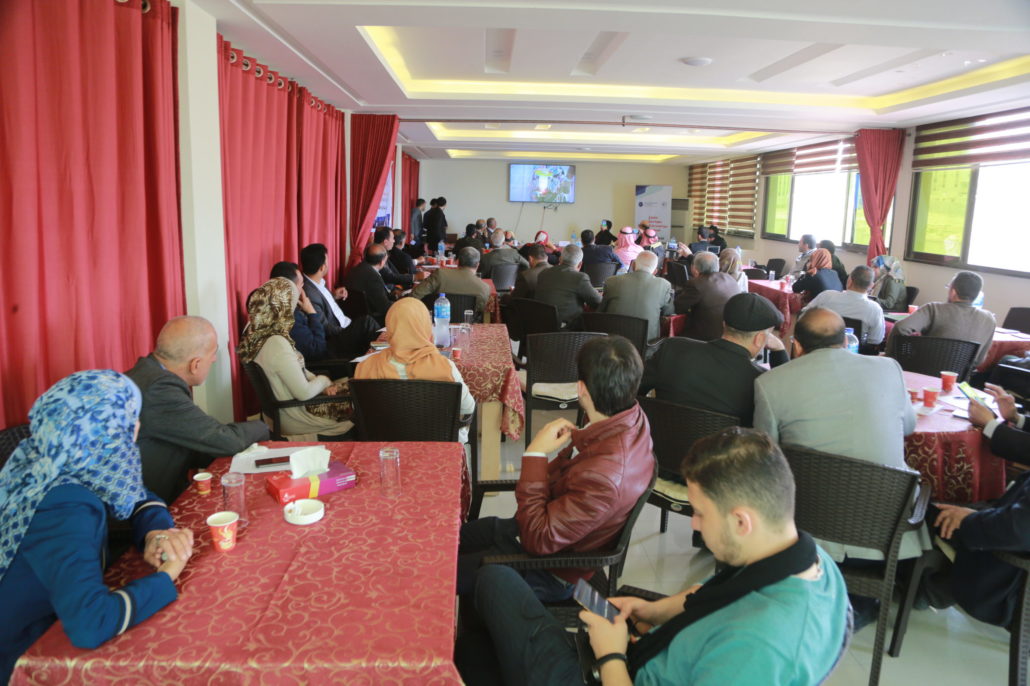
The Palestinian Center holds a dialogue meeting on medical malpractice
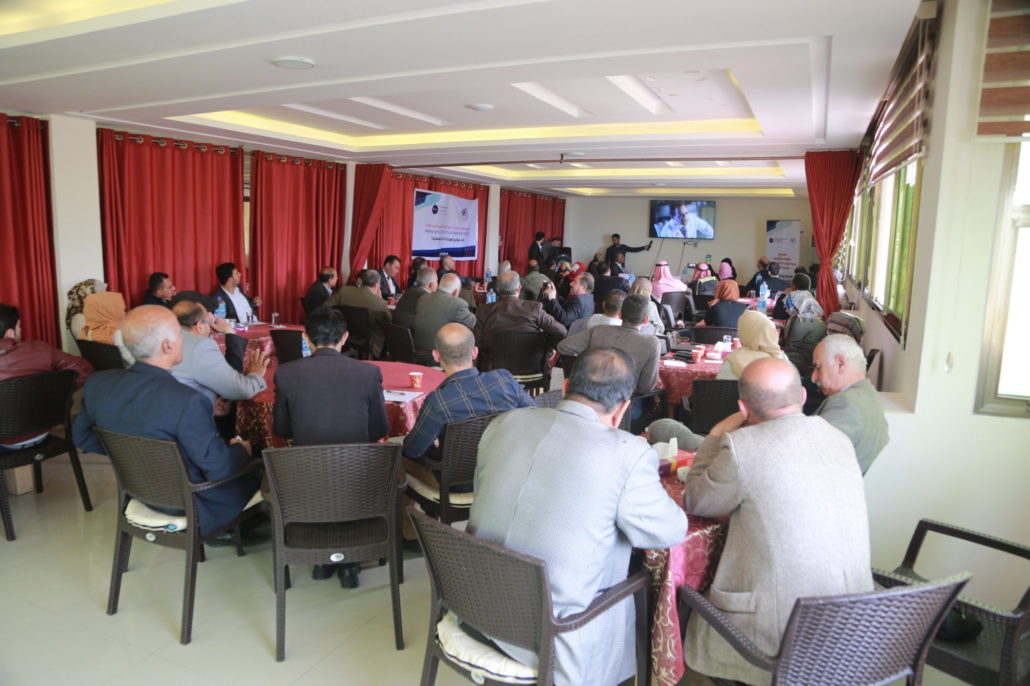
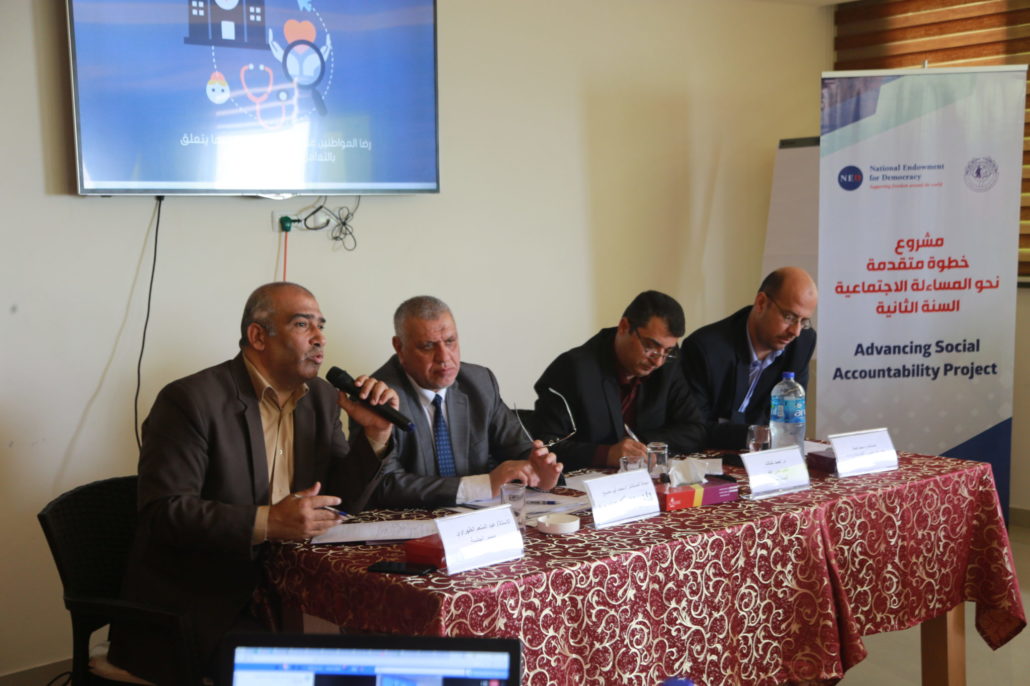
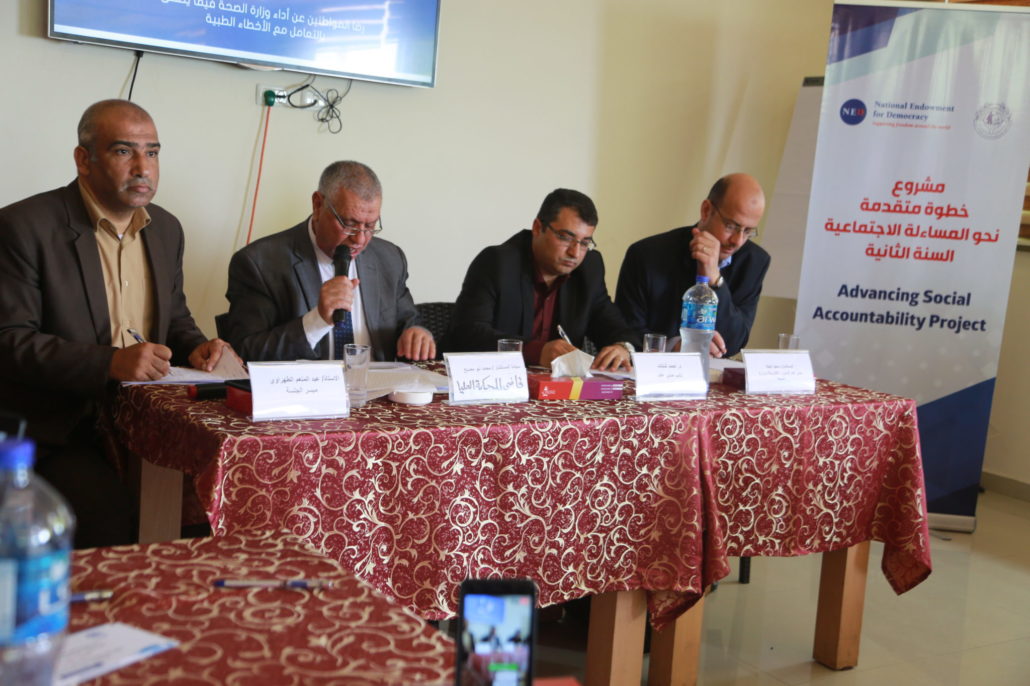
The Palestinian Center for Democracy and Conflict Resolution held a large public meeting with the Ministry of Health on medical malpractice in government hospitals, attended by Dr. Ahmed Shattat, deputy director general of hospitals, Mr. Saeed Al-Batta, director general of legal affairs at the Ministry of Health, and Counsellor Mohammed Abu Musbeh, a High Court judge, along with a large audience of citizens, representatives of health institutions, community activists and people interested in the subject.
Mr. Abdel Moneim Al-Tahrawi opened the session by welcoming the guests and the audience and explaining how the session would proceed and what would be discussed.
Tamer Al-Yazouri, a member of the youth social accountability team, presented the results of the opinion poll on medical malpractice and explained the methodology of the related study.
Mr. Saeed Al-Batta, director general of legal affairs at the Ministry, then spoke about medical malpractice and its definition, explaining the legal perspective on it, how the Ministry proceeds legally when a medical error occurs, and the penalties and procedures applied to those responsible.
Dr. Ahmed Shattat, deputy director general of hospitals, spoke about medical malpractice after showing a video of a case in which a medical error occurred and how such errors are handled. The video presented the error, how it happened and its definition. He then said that errors are unintentional and are a global phenomenon, and spoke about the heavy burden on the Ministry's teams amid the crises and conditions facing the Gaza Strip, and their mechanisms for dealing with medical errors.
Judge Mohammed Abu Musbeh then made his intervention, speaking about the role of the judiciary and the legal reality of protecting both the patient and the doctor, then about the causes of medical malpractice and the role of the judiciary in such cases.
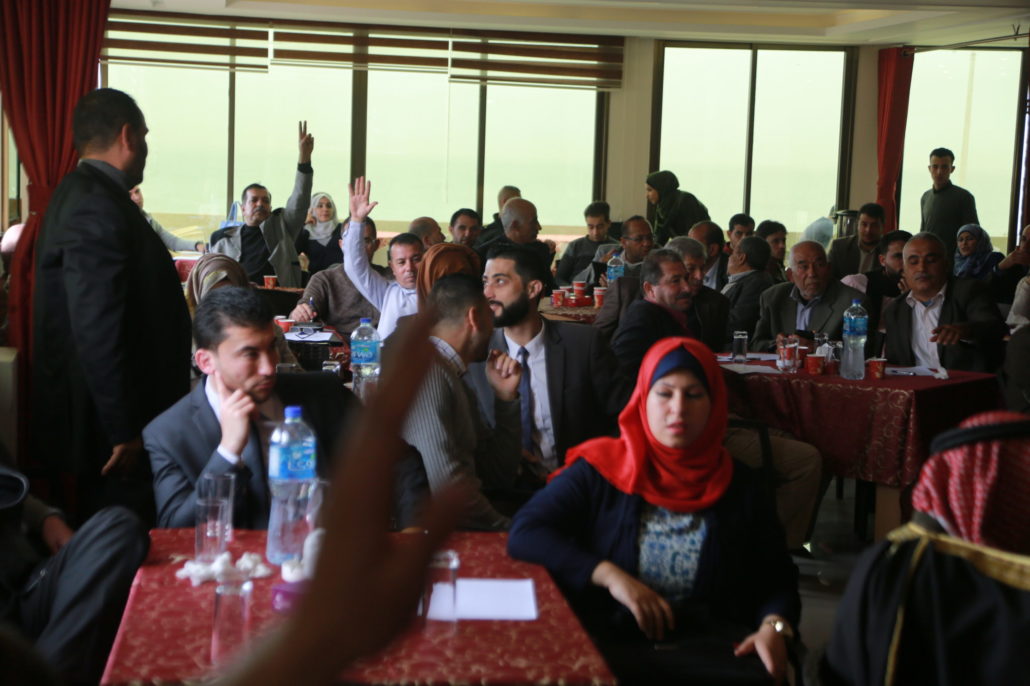
The session facilitator then opened the floor for the audience to put questions and enquiries to the three guests for an hour and a half, with questions ranging across the three speakers from a large number of citizens.
The session concluded with a set of recommendations:
- Documenting medical errors and paying attention to preparing patients' medical files.
- Paying attention to specialised studies.
- Establishing an independent department at the Ministry of Health to follow up medical errors.
- Creating a fund to compensate those harmed by medical errors.
- Informing official and local civil media about the rights of patients and practitioners.
- Strengthening trust between doctor and patient.
- Protecting the patient from errors by providing doctors with the necessary protection and freedom.