PCDCR Trains Its First Field Response Team in the Gaza Strip on Protection, Psychological First Aid and Data Collection
The Palestinian Center for Democracy and Conflict Resolution (PCDCR) has launched an intensive training programme to prepare its first field response team in the Gaza Strip, with the aim of strengthening the resilience of field staff and raising the effectiveness of intervention in times of crisis. The programme responds to urgent needs in the Strip and runs over 10 consecutive days in two phases: a 5-day theoretical phase covering the foundations of protection concepts, rapid intervention protocols, case management and data collection procedures, followed by a 5-day practical and applied phase.
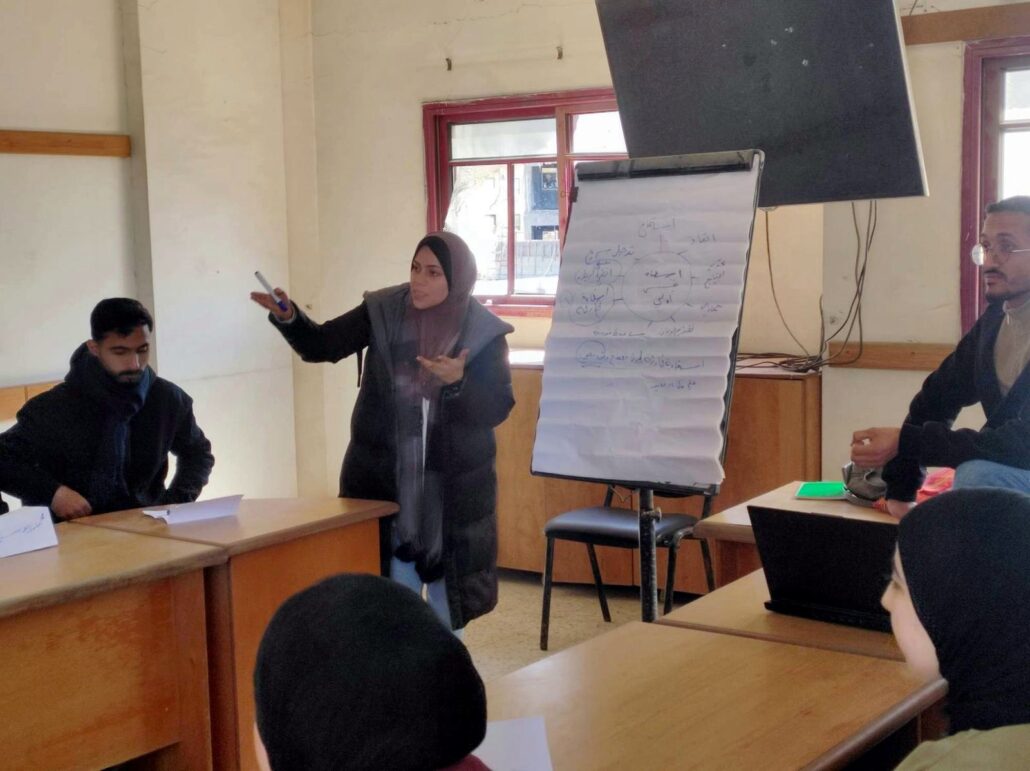
The training began under the supervision of trainers Alaa Al-Shafei and Laila Hassouna. Its first day focused on laying the foundations of protection concepts and psychological first aid (PFA), with the aim of enabling participants to provide immediate psychosocial support to affected people on a scientific basis that takes the specific nature of current conditions into account. On the second day, the two trainers addressed “Psychological First Aid and Self-Care Skills”, starting from the principle that an effective response in the Gaza Strip begins with the responder’s own wellbeing. Participants trained in psychological first aid techniques, including how to intervene rapidly to calm those affected and provide initial support in the first moments of shock, and were given self-care strategies and practical tools for emotional release and for protecting themselves from “volunteer burnout” and the secondary trauma that comes from working in harsh conditions.
On the third day of the programme, trainer Ruba Al-Bitar led in-depth applied sessions on the “Child Protection Case Management System”, in which participants moved from general concepts to tools for precise analysis and were confronted with the responsibility of making decisions in the most difficult circumstances. They analysed field scenarios based on realistic cases of unaccompanied or separated children, identified the protection threats these children face in shelter centres, and trained on the criteria for an urgent response within 24 hours to life-threatening cases such as severe physical violence or exposure to remnants of war. They also studied cases of child labour in hazardous environments and how to determine risk levels (levels one, two and three) to ensure accurate referral, and mapped intervention pathways for children with special needs who suffer isolation or neglect, to safeguard their basic rights.
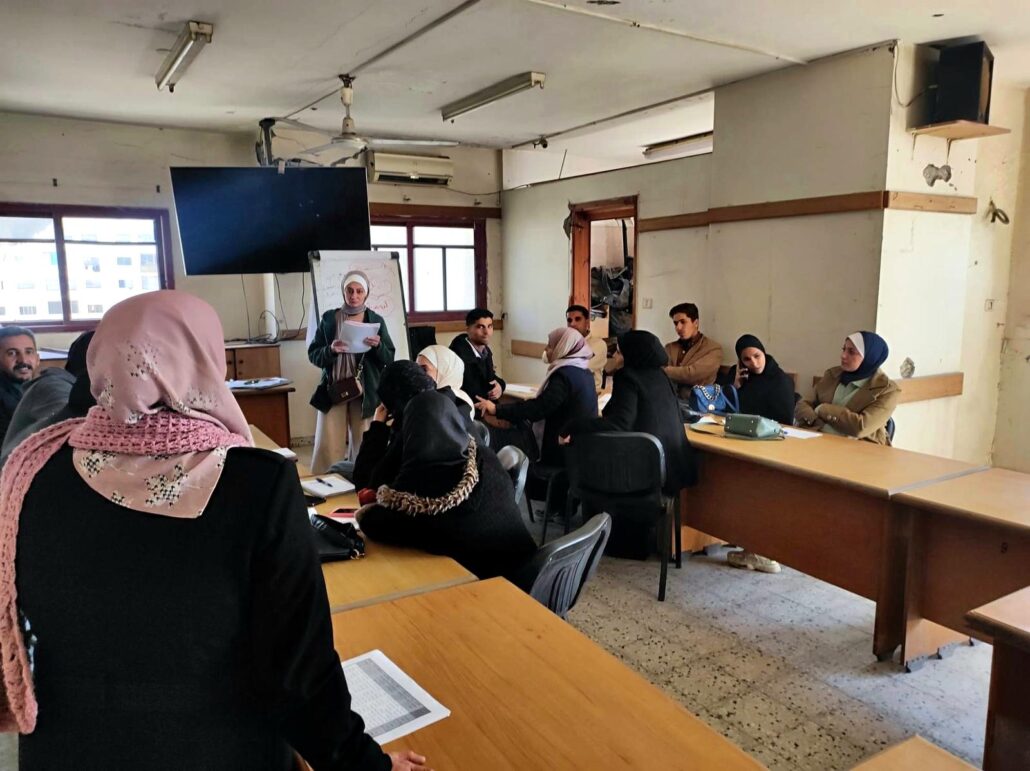
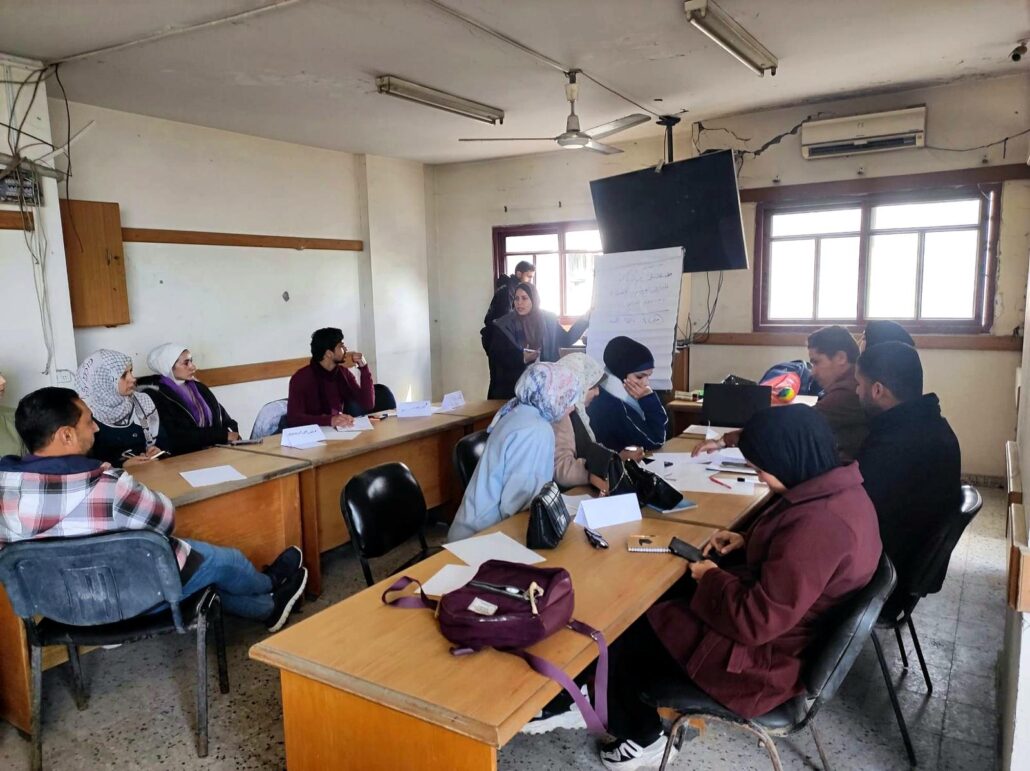
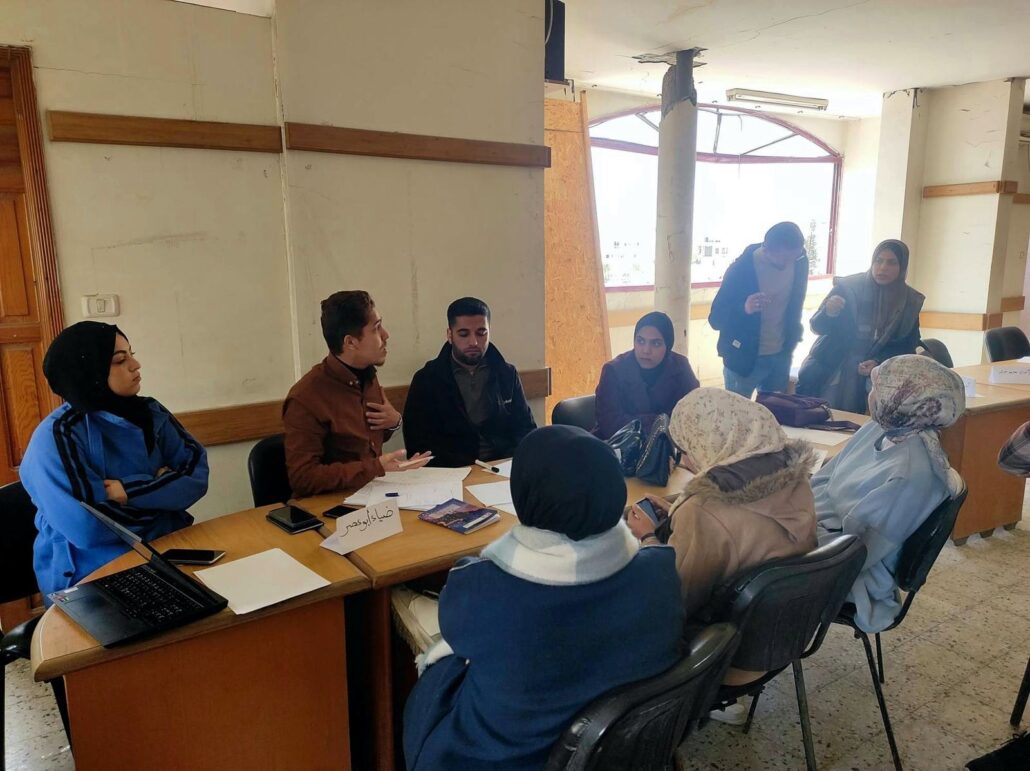
On the fourth day, trainer Mohammed Al-Kahlout presented case assessment and referral pathways as a decisive step in field work. The session covered how to understand needs accurately in crowded settings, and referral pathways designed to ensure that services reach the right person at the right time.
The training continued with Mr. Saeed Al-Maqadma in a session focused on “Research Methods and Data Collection Tools”, in which the team moved from spontaneous work to an organised scientific framework through training in in-depth interviewing, facilitating focus group discussions and designing questionnaires. The Center believes that reaching the “reality on the ground” begins with having the right research tools, so that the voices of affected people in the Gaza Strip are heard and their needs are met to the highest standards of scientific quality.
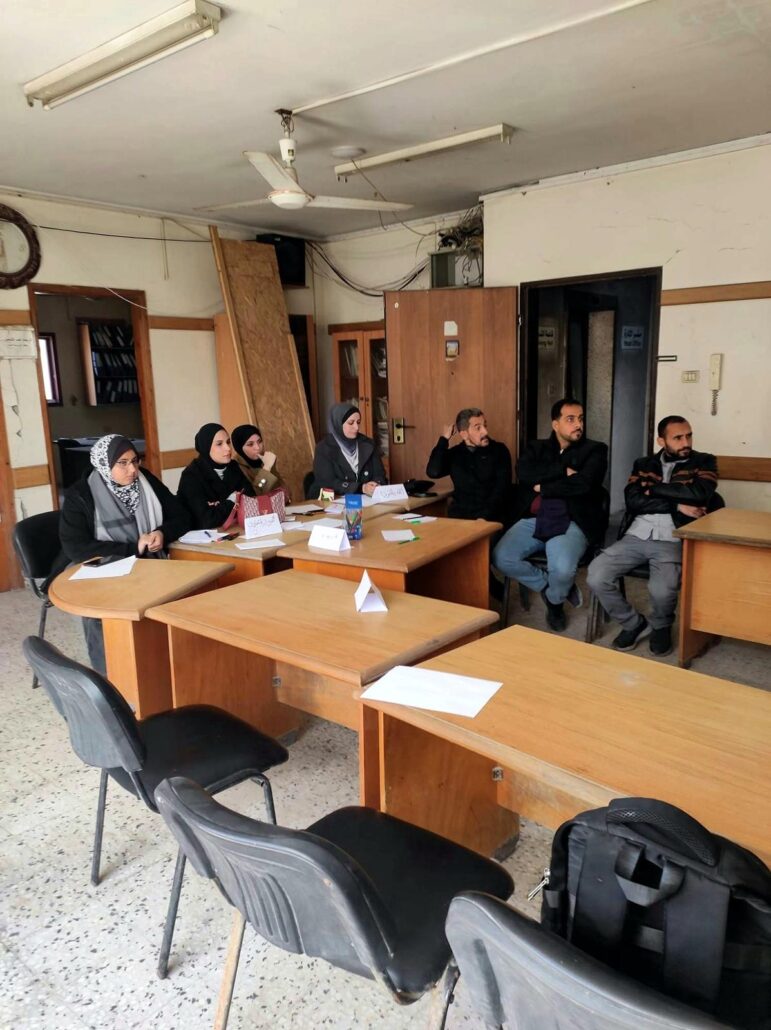
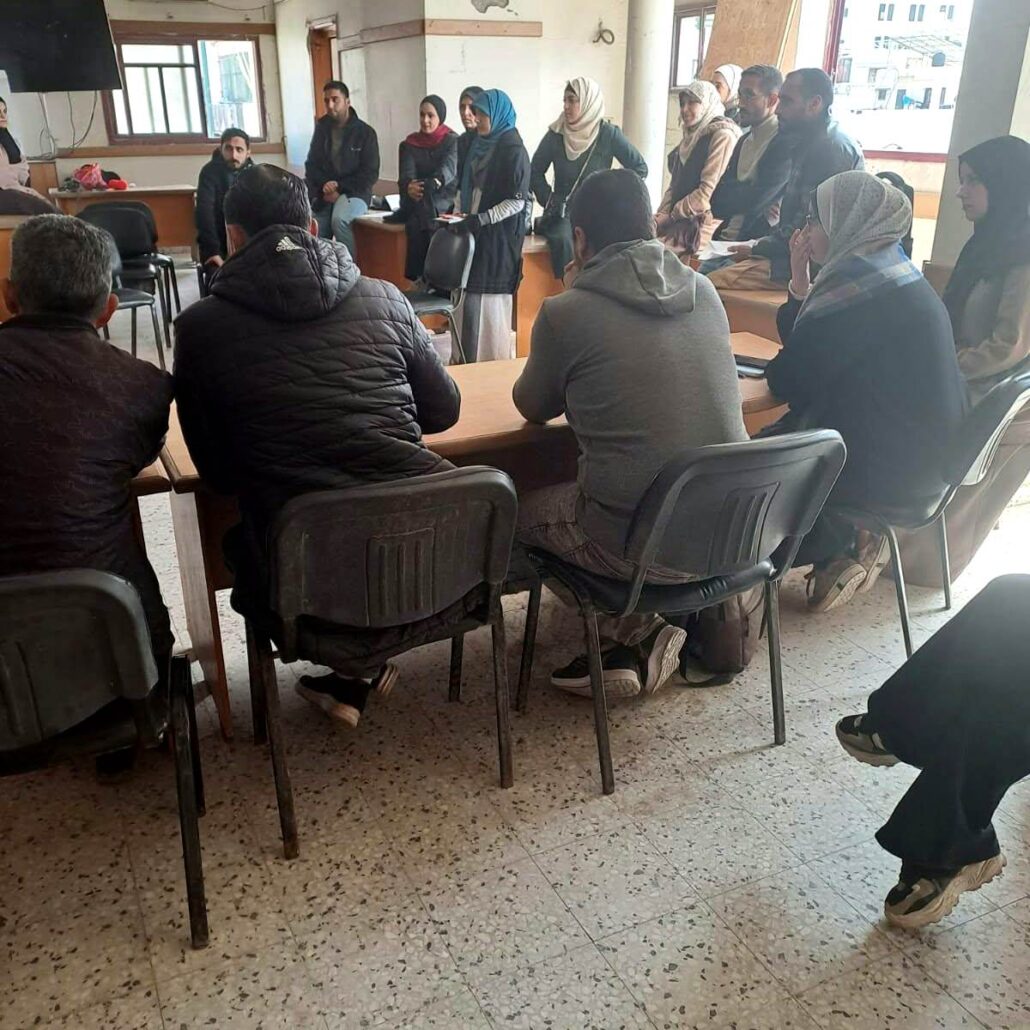
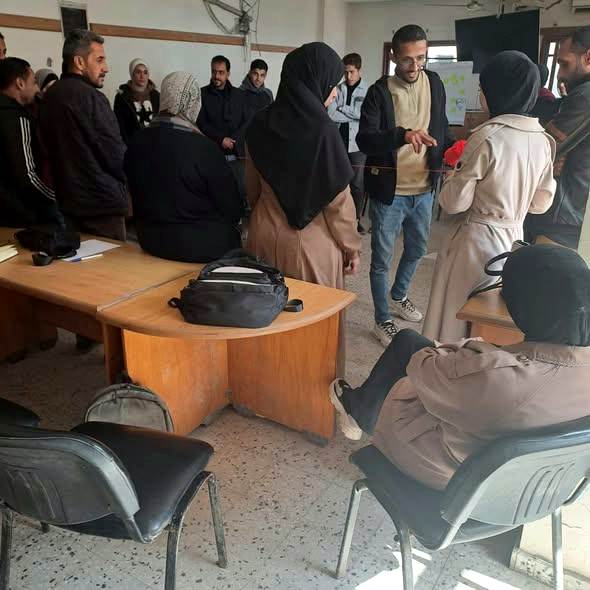
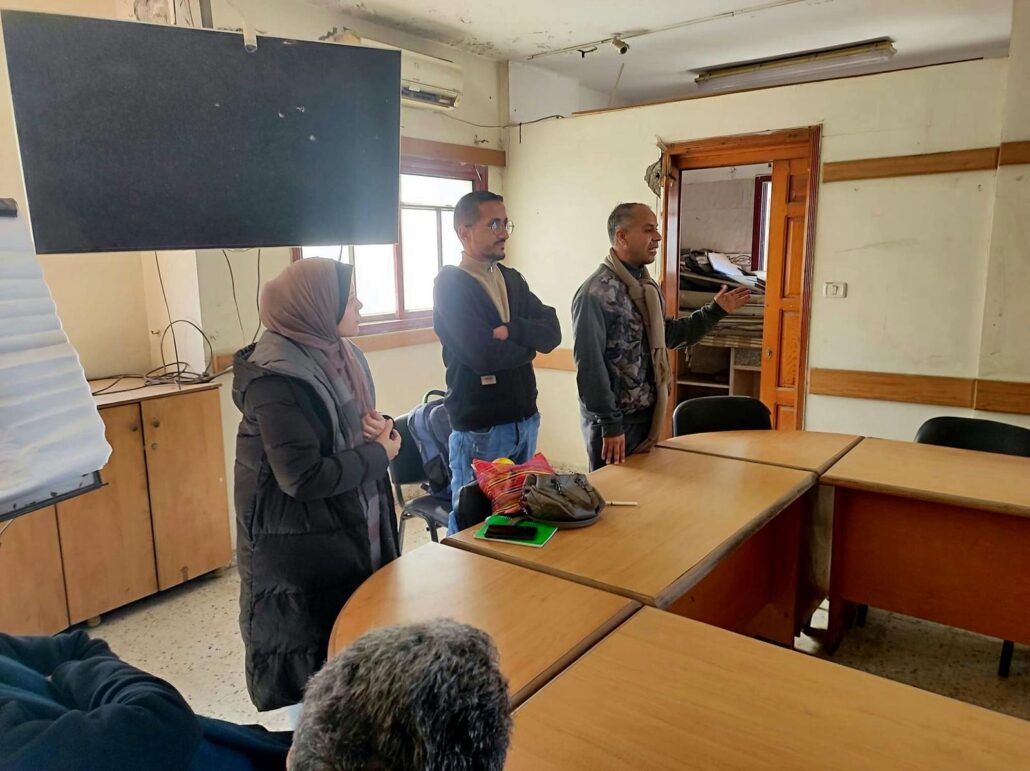
As part of the data collection component, participants were also trained in using the KoBoToolbox platform for digital field data collection. According to the programme plan, the second phase will move participants to practical, applied work through simulations of realistic scenarios drawn from the field in the Gaza Strip, as part of the Center’s effort to prepare a qualified cadre ready to deal with the most difficult conditions and to contribute to strengthening the resilience of the community.


